The Siwak Between Words and Medical Studies

There are some studies we mention, but we do not say: they support our belief in the siwak, for it is enough for us what has been proven of the Messenger of Allah's, peace and blessings be upon him, love for the siwak and his urging of it, but there is no harm in seeking reassurance from human intellects and what modern research has reached in this field.
One of the professors in an academic thesis about the siwak in the College of Dentistry says: Some universities recommend performing a finger massage of the gums to stimulate blood in the gum tissues, and this is very clear when using the siwak, as the siwak is used as a massage for the gums.
Baqir Al-Attar, a doctor at Damascus University, says: I have heard from Dr. Al-Ayoubi that Professor Halbawi, the agent for a toothpaste company, is considering producing a toothpaste they will call Miswakin, and this is indeed very famous and exists in Europe and America, and I believe its name is Quali Miswak.
There is another type of toothpaste called (Miswak), which is very famous and available everywhere.
And in the magazine (Your Doctor) there is an article containing a recommendation from the dental treatment council of the American Dental Association to use sodium bicarbonate for dental treatment, and this is one of the components of the siwak.
One of the doctors wrote about the siwak, saying: If we look at the siwak, we would find that it is chemically composed of cellulose fibers and counts many types of components that there is no need to detail now.
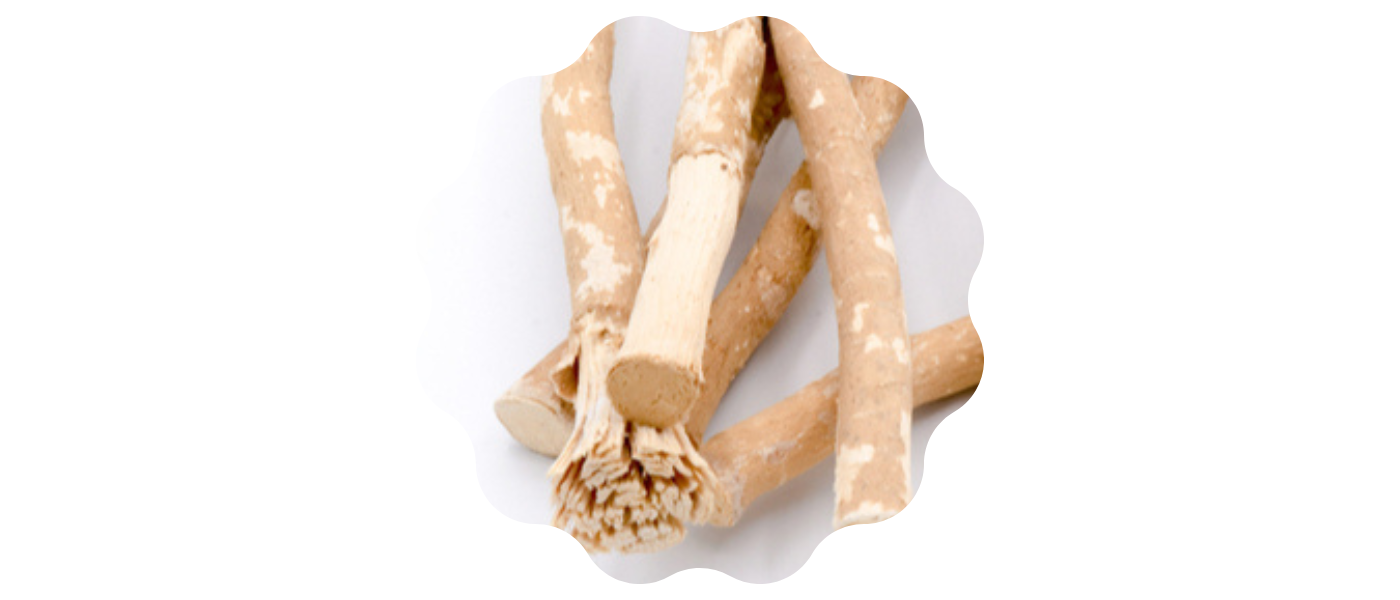
There is an article in a magazine under the title: Arak siwak invades the markets of the English.
And the Arak tree is called by Westerners the tree of Muhammad, peace and blessings be upon him.
The magazine says: Arak siwak invades the markets of the English, and followed that with three headlines: First headline: Dentists in London recognize the siwak; for its effective impact on dental hygiene, and its magical effect in avoiding many ailments and diseases.
Second headline: The Arak stick is sold for one pound sterling in dried plant shops in England.
Third headline: The Institute of Bacteriology and Epidemics in East Germany says: The substance of the siwak has an effective impact just like the effect of some antibiotics alike.
And a man named Rodat, who is a Western scientist—and he is a scientist in his own field, for the word (scientist) generally refers to the scholars of the noble Sharia, so as not to confuse matters—but this one is the director of bacteriology and epidemics at the University of Rostock in East Germany, says in the German magazine (The Magazine): There is much wisdom in the Arabs' use of the miswak after wetting it with water; because using it dry does not succeed due to the antibacterial substance it contains, and if used dry, there is saliva which can dissolve this substance present in it.
Another named Dr. Meni also says: The erosion of hard dental tissues is severe if the brush is dry, but if it is wet, the damage is minor.
Therefore, it is recommended to wet the siwak.
And Dr. Keleke Keizin says: That the siwak contains a substance that prevents tooth decay. He said this before the 52nd conference of the International Association for Dental Research in Atlanta, USA, and he says: That he noticed that those who use the siwak enjoy healthy teeth, and that some companies in Britain and India manufacture toothpastes incorporating substances taken from the siwak.
Also, the American Dental Association (ADA) for the United States Army conducted experiments in which they proved the effectiveness and superiority of the fibers making up the siwak material, and the American Dental Journal announced in the year 1960 that the majority of toothpastes used in the United States are non-medical, and that the siwak contains quantities of hard crystals that act as a cleaning agent that rubs off tartar—which is the yellowing that forms on teeth—and it is present in the siwak in a high percentage of up to 4%, as well as other effective salts in the siwak.
The University of Minnesota in America found in its research that Black Muslims who use the miswak have healthy teeth and gums compared to those who use the brush.
Among the features of the siwak: It pleases the Lord, it is a Sunnah of the natural disposition (fitrah), and a Sunnah of the Prophet, peace and blessings be upon him, it purifies the channels of speech when reciting the Qur'an, and the angels love it.
